
Charlotte is not served by one townwide sewer network. The Town operates limited wastewater systems at Thompson’s Point, West Charlotte Village, and Charlotte Central School, while development outside infrastructure areas uses private onsite or community systems. That makes the first service question specific to the parcel: which system serves it, where are its components, and who maintains them?
A rural system can have more than one access
Charlotte lots may use a conventional gravity tank, a mound with a dosing chamber, or a shared arrangement documented by easement or association records. Find the permit plan and prior receipts before service. They can identify the second chamber that grass and snow conceal, the replacement area that must stay open, and a long hose route from the drive.
Lake and seasonal use change the questions
A seasonal property may sit quiet through winter and then receive concentrated summer use. Ask whether the permit authorizes seasonal or year-round occupancy because Vermont treats that conversion as a change in use. Keep shoreline drainage and roof water away from the field, and do not describe every wet lakeside yard as septic failure without checking tank level and natural groundwater.
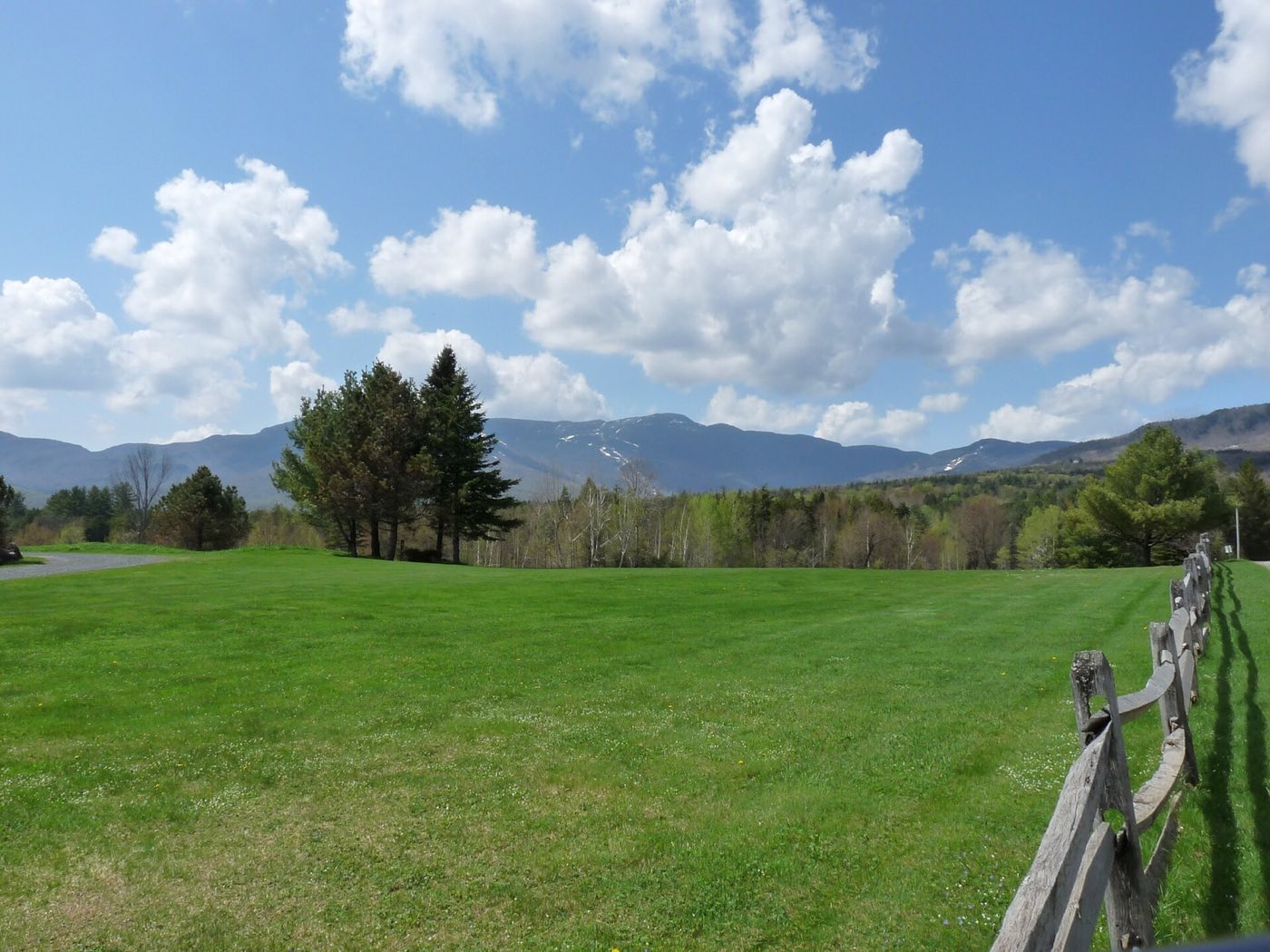
Mounds need pump and alarm attention
When effluent must be raised or pressure-dosed, the pump chamber adds floats, an alarm, and mechanical storage. A pump-out removes tank solids but does not test distribution on its own. Report an active alarm, power interruption, or repeated high level when scheduling so the visit includes the relevant diagnostic work.
Permit questions go to the current authority
Vermont DEC administers the statewide 2023 wastewater rules. The Essex regional office serves Chittenden County at 802-879-5656. Charlotte has had delegated wastewater responsibilities historically, but this site did not confirm the current 2026 scope. Check the Town and DEC for the filing path before repair or replacement work.
What to tell the pumper
Provide the address, year-round or seasonal use, last pump date, number of visible lids, alarm status, gate and drive conditions, and whether the truck can remain on firm access. Mark the tank before deep snow and protect the mound and field from vehicles. A clear scope keeps routine pumping separate from locating, pump repair, and permitted reconstruction.