
Milton operates both water and wastewater utilities, but their reach is different. The Town reports about 2,717 water connections and 1,592 wastewater connections. Public sewer concentrates in the Town Core, Growth Area, and nearby mapped neighborhoods. Addresses outside that network form the septic market, and a public water account alone does not prove a sewer connection.
Use the Town map, not an assumption
Check the wastewater service-area map before calling. A property near Route 7 may be connected while a lakeshore, West Milton, or outlying rural property uses onsite treatment. If connected, contact Milton Public Works for the municipal side and a plumber for the private building sewer. If onsite, locate the tank and field records.
Lakeshore soils require careful water management
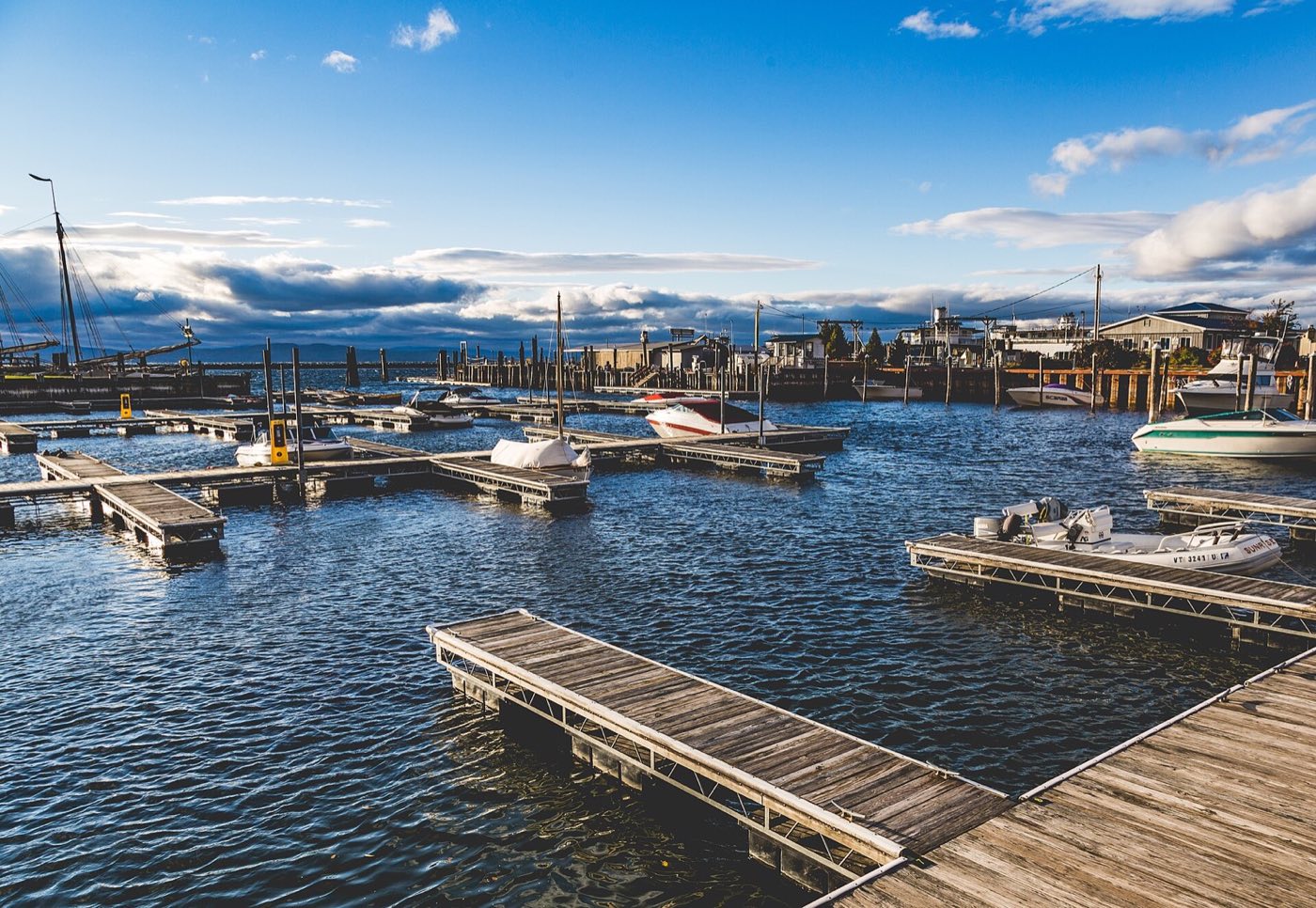
Older Milton planning documents identify severe septic limitations along parts of the Lake Champlain shoreline and concern when seasonal homes become year-round residences. That does not mean every lakeshore system is failing. It does mean surface drainage, occupancy, groundwater, permit history, and replacement area deserve attention during service or a purchase.
Seasonal conversion can change permitted flow
Vermont defines conversion from seasonal to year-round use as a change in use. Before winterizing a camp for full-time occupancy or adding bedrooms, ask a designer whether the approved system can serve the proposed flow. Pumping maintenance does not expand design capacity and should not be represented as approval for the conversion.
Protect access during snow and thaw
Mark lids before snow, keep the drive passable, and report frost or burial depth. During spring thaw, keep the truck on firm access and route hose to the tank. A soft field can be compacted by one heavy pass. If the yard is saturated, the contractor must also consider groundwater around the tank before drawing it down.
Coordinate state and Town responsibilities
Vermont DEC administers onsite permits through the Essex regional office; Milton manages its utility connections and local approvals. A replacement outside the sewer boundary uses the state design and permit path. A property inside or near the boundary may need a utility determination before investing in a new onsite field.