
Colchester is a changing wastewater market. The Lakeshore project began connecting and decommissioning onsite systems in defined East and West Lakeshore Drive segments in 2026, with later construction phases published through 2029. That does not make the whole town sewered, and it does not make every Malletts Bay tank a current pumping customer. Service status must be checked against the project segment and property records.
Check the project segment first
A Lakeshore Drive address may be connected, awaiting a scheduled phase, or outside the current project. Use the Town’s phase page and utility confirmation rather than a general neighborhood label. A connected property needs sewer-lateral help, while an active onsite system still needs maintenance until official decommissioning occurs.
Do not pump an abandoned system as routine service
Once a property connects and the onsite system is decommissioned under the project requirements, the old tank is no longer an operating wastewater system. Questions about residual structures belong with the connection record and Town. Do not advertise ordinary pumping to converted addresses or imply that service changes a sewer deadline.
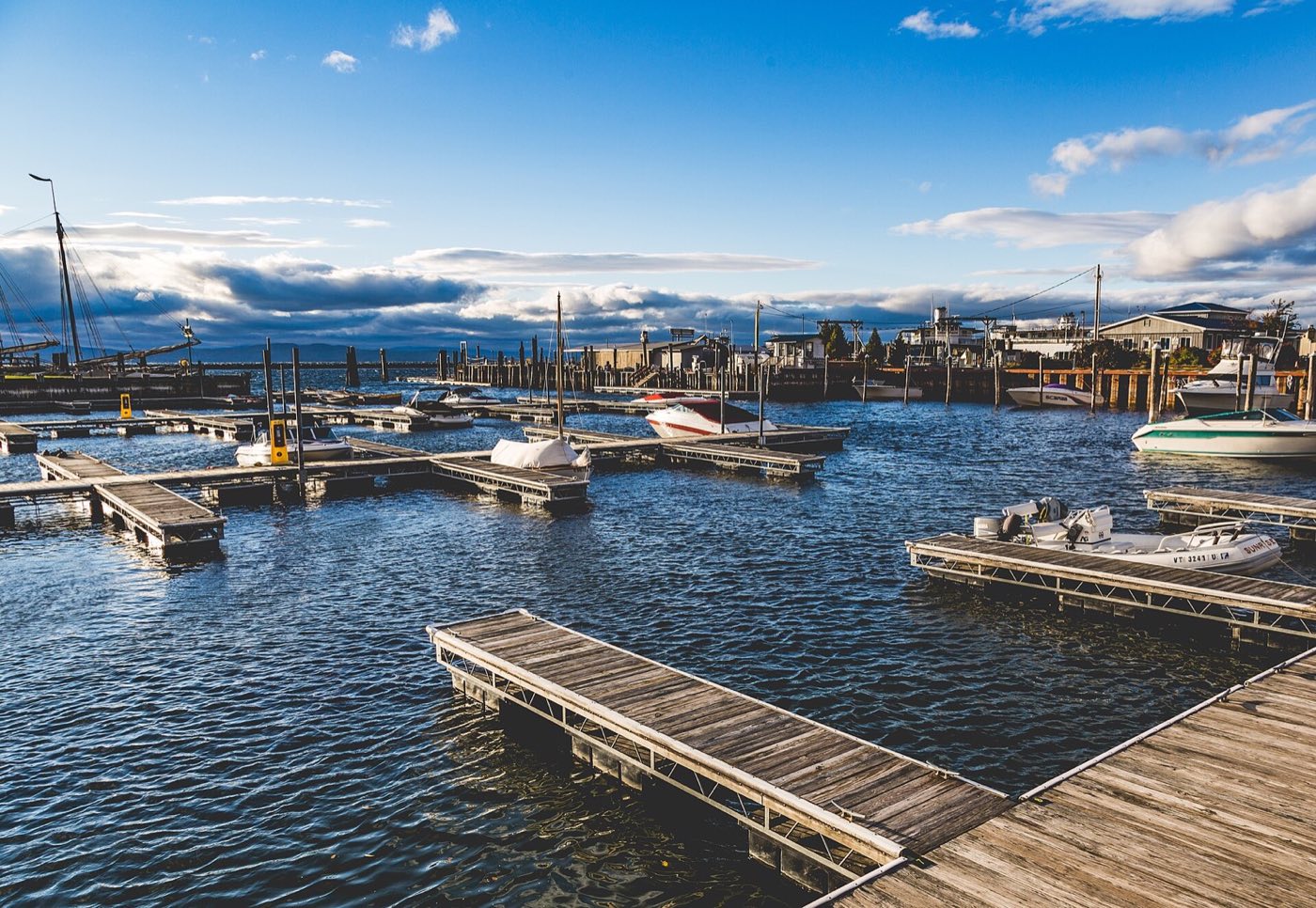
Lake proximity changes site awareness
Keep wastewater and clean stormwater separate. Direct roof and sump discharge away from active fields, keep vehicles off treatment soil, and respond to surfacing effluent without scare claims about the entire lake. DEC’s older statewide work found septic a small share of Lake Champlain phosphorus overall, though an individual failure remains a local health and water-quality problem.
Properties outside the project still vary
Colchester includes dense areas, rural roads, shore properties, and limited sewer infrastructure. An onsite property may use a conventional field, mound, pump chamber, or shared system. Find the permit and identify all components before setting scope. A tank pump-out cannot establish whether a planned future sewer extension will reach the lot.
Coordinate Town and DEC before replacement
The Lakeshore project makes utility timing relevant to replacement decisions. Ask Colchester whether connection is available or scheduled, and ask the current permitting authority about the onsite path. DEC’s statewide rules remain the technical baseline. The 2026 status of historical local delegation was not confirmed in this research, so do not assume where an application must be filed.