
Richmond operates municipal water and tertiary wastewater treatment for its village service area. The hills, valleys, and rural roads outside that network remain the onsite market. A Richmond mailing address does not settle the question. Confirm service with the Town Water & Wastewater department, then use the property permit to identify tank, pump, field, and replacement area.
Village and rural calls take different routes
For a connected village property, Richmond Water & Wastewater can confirm municipal service and the private owner can arrange plumbing help for the building side. For an outlying septic property, report the last pump date, tank access, system type, and symptoms. This separation prevents municipal inflow or lateral problems from being sold as septic work.
Slope can separate the tank and field
On a hillside lot, the tank may be near the house while a pump sends effluent to a distant field along the contour. Find the permit before excavating or assuming the wettest low point is the field. A force main, electrical controls, and replacement area can cross portions of the property that show no visible tank features.
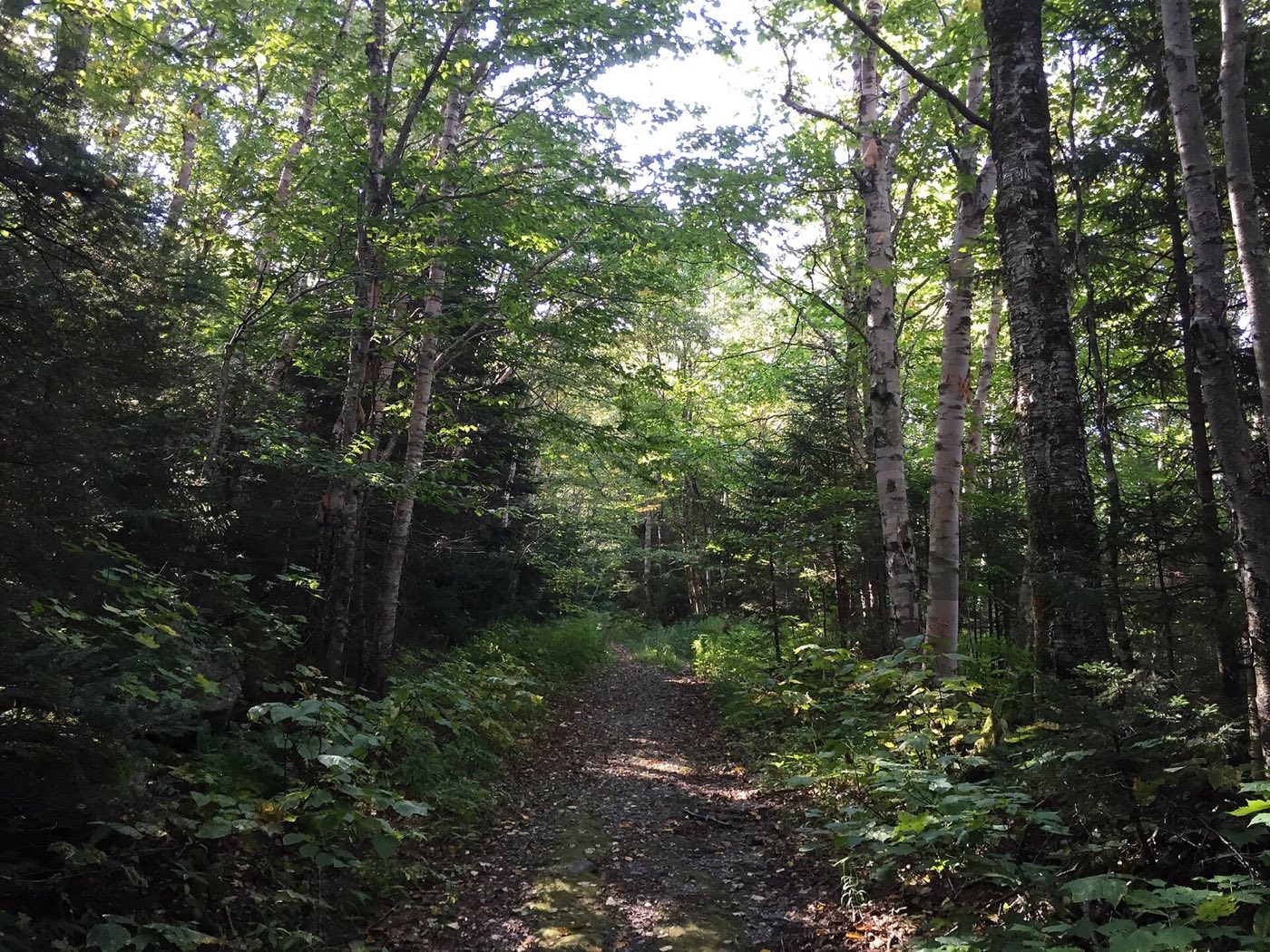
River-valley saturation requires evidence
Rain, snowmelt, and local groundwater can wet low ground. Check whether the wet area aligns with the permitted field and whether it carries sewage odor or follows household flow. Observe tank and pump-chamber levels. Keep trucks off soft ground and route clean water away. A temporary high groundwater condition and a chronically failed field require different responses.
A mound alarm changes the service scope
Reduce water use when the high-water alarm activates. A routine tank pump-out may be due, but the chamber still needs testing for power, floats, pump output, check valve, frozen or blocked discharge, and downstream resistance. Ask whether the responding contractor handles both hauling and pump diagnostics.
Replacement starts with service-area confirmation
Before designing a new field near the village edge, determine whether municipal connection is available. Outside the service area, a Vermont wastewater designer prepares the onsite plan and DEC Essex administers the state permit. Richmond handles local zoning and its utility decisions. A pumper can supply condition evidence but cannot choose the regulatory path.